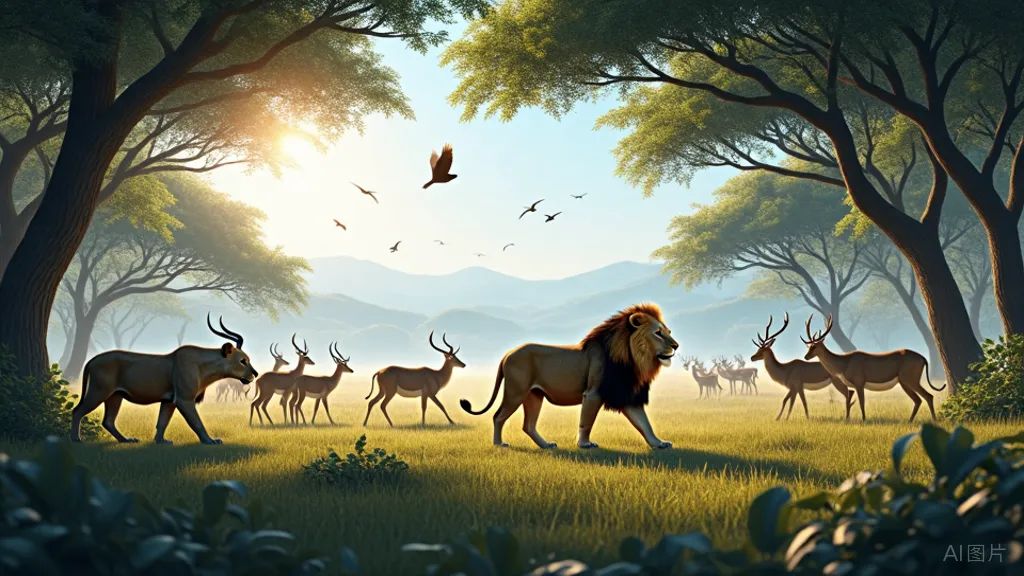
利用春节假期结束前的时间,记录一下日常的词汇学习的情况。感谢现在的技术进步,免去了各种翻查的麻烦,能在短时间内得到所需的结果。(本文中的解析由腾讯元宝提供)今天的两个单词是表示“保护”含义的preserve与conserve。具体解析分为英文与中文两个版本。Here is the breakdown of the difference in the context of wildlife protection:
Core Difference
Conserve Wildlife: To actively manage wildlife populations and their habitats to ensure their long-term health and survival, often balancing ecological needs with limited, sustainable human use or intervention.
Preserve Wildlife: To protect wildlife and their habitats from virtually all human interference, allowing ecosystems and animal populations to exist and evolve naturally in their pristine state.
Detailed Definitions & Approaches
Wildlife Conservation
Conservation in wildlife protection is about active stewardship. It acknowledges that ecosystems can become imbalanced due to human influence (e.g., invasive species, habitat loss, overhunting) and that intervention may be necessary to restore or maintain a healthy balance.
Goal: Maintain viable, healthy wildlife populations and robust ecosystems for the future. This often includes ensuring genetic diversity and resilience.
Methods:
Wildlife Preservation
Preservation in wildlife protection is about non-interference. It prioritizes the intrinsic right of animals to exist undisturbed by humans, focusing on shielding them from harm, exploitation, and habitat alteration.
Goal: Protect wildlife and ecosystems from human impact, preserving their natural behaviors, evolutionary processes, and genetic integrity.
Methods:
Comparison Table: Wildlife Focus
Aspect | Wildlife Conservation | Wildlife Preservation |
|---|
Primary Goal | Maintain healthy, sustainable populations through active management. | Protect animals and habitats from all human interference. |
Human Role | Active steward or manager. | Passive observer or protector. |
Intervention | Allows for managed, scientific intervention (e.g., culling, relocation). | Seeks to eliminate intervention; let nature take its course. |
View of Nature | Dynamic and can require human help to stay balanced. | Pristine and should remain untouched by humans. |
Example | Culling an overabundant deer herd to save the forest undergrowth. | A remote bird sanctuary where no boats or people are allowed to land. |
Practical Examples
Conservation Example: In some regions, the wild boar population has exploded, causing massive agricultural damage and soil erosion. A conservation approach might involve a regulated hunting season to reduce the population to a manageable level, restoring ecological balance.
Preservation Example: A small, uninhabited island is home to a critically endangered seabird. A preservation approach would designate it as a wildlife sanctuary, prohibiting all access to prevent disturbance to nesting birds and the introduction of invasive species.
In summary, when discussing wildlife:
Think CONSERVE=Manage and Sustain (actively ensuring survival).
Think PRESERVE=Protect and Leave Alone (passively shielding from harm).
以下是它们在野生动物保护语境下的差异解析:
核心差异
Conserve Wildlife:积极管理野生动物种群及其栖息地,确保其长期健康与生存,通常平衡生态需求与有限、可持续的人类利用或干预。
Preserve Wildlife:将野生动物及其栖息地几乎完全与人类干扰隔离,让生态系统和动物种群以原始状态自然存在和演化。
详细定义与方法
Wildlife Conservation(野生动物保护)
在野生动物保护中,保护(Conservation)关乎积极的管理。它承认人类影响(如入侵物种、栖息地丧失、过度捕猎)可能导致生态失衡,因此可能需要干预以恢复或维持健康平衡。
目标:维持可行、健康的野生动物种群和 robust 的生态系统,通常包括确保遗传多样性和恢复力。
方法:
Wildlife Preservation(野生动物保存)
在野生动物保护中,保存(Preservation)关乎不干预。它优先考虑动物不受人类干扰而存在的固有权利,专注于使其免受伤害、剥削和栖息地改变。
目标:保护野生动物和生态系统免受人类影响,维护其自然行为、演化过程和基因完整性。
方法:
对比表:聚焦野生动物
方面 | Wildlife Conservation(野生动物保护) | Wildlife Preservation(野生动物保存) |
|---|
主要目标 | 通过积极管理维持健康、可持续的种群。 | 将所有人类干扰隔绝于野生动物和栖息地之外。 |
人类角色 | 积极的管理者或管家。 | 被动的观察者或守护者。 |
干预程度 | 允许科学管理的干预(如扑杀、迁移)。 | 力求消除干预;让自然自行发展。 |
自然观 | 动态变化,可能需要人类协助以保持平衡。 | 原始纯净,应保持不受人类触碰。 |
例子 | 扑杀过剩的鹿群以保护森林下层植被。 | 偏远鸟类保护区,禁止船只或人员登陆。 |
实际例子
Conservation 例子:在某些地区,野猪数量激增,造成严重农业破坏和土壤侵蚀。保护措施可能包括设定有管制的狩猎季,将种群减少到可控水平,恢复生态平衡。
Preservation 例子:一座无人居住的小岛是极度濒危海鸟的家园。保存措施会将其指定为野生动物保护区,禁止一切进入,以防止干扰筑巢鸟类及引入入侵物种。
总之,谈及野生动物时:
想到CONSERVE=管理与维系(积极确保生存)。
想到PRESERVE=保护与放任(被动屏蔽伤害)。
—— 正文结束 ——
2026马🐎年春季学期,Thomas老师在寒假推出的系列英语能力拓展课程,在新学期继续展开~
汇总贴
2025寒假拓展课程 - 全系列汇总