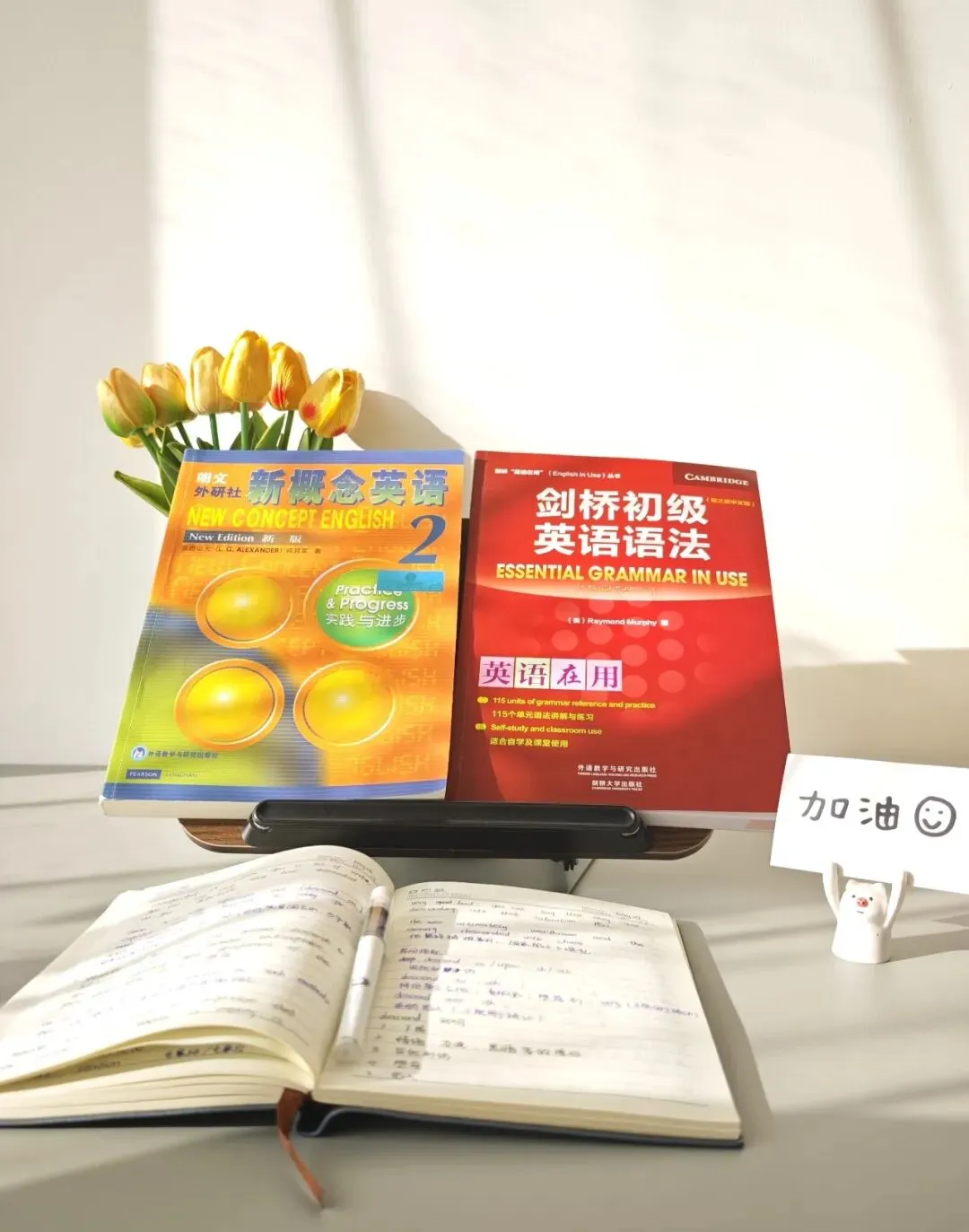
📚 第14课《Do you speak English?》重点掌握知识点一览
语法核心:过去完成时(Past Perfect Tense)—— “过去的过去”
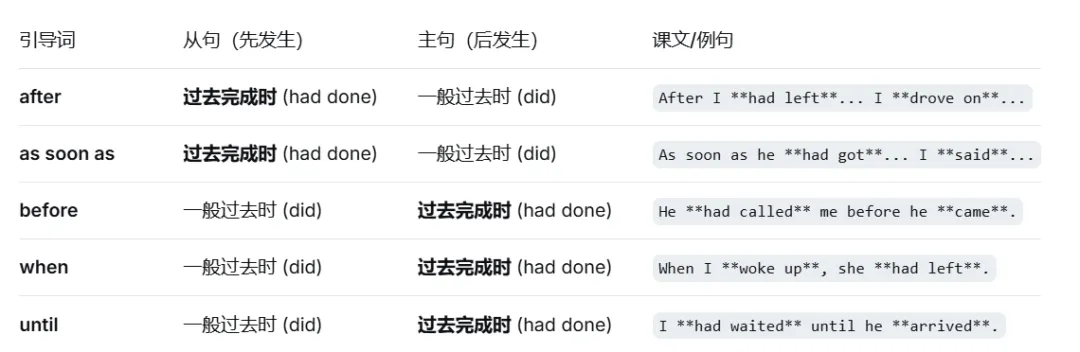
关键连词:after, as soon as, before, when在时间状语从句中的时态搭配
核心短语:ask for a lift(请求搭车), wave to(向……招手), apart from(除……之外)
词汇辨析:experience(经历/经验), reply vs. answer, journey vs. trip vs. travel
句型重点:I had nearly... when...(几乎……就在这时……), As + 主语 + 动词(正如……)
课文原文回顾
Do you speak English?
I had an amusing experience last year.
After I had left a small village in the south of France, I drove on to the next town.
On the way, a young man waved to me.
I stopped and he asked me for a lift.
As soon as he had got into the car, I said good morning to him in French and he replied in the same language.
Apart from a few words, I do not know any French at all.
Neither of us spoke during the journey.
I had nearly reached the town, when the young man suddenly said, very slowly, ‘Do you speak English?’ As I soon learnt, he was English himself!
译文:你会讲英语吗?
去年我有过一次有趣的经历。在离开法国南部的一个小村庄后,我继续驶往下一个城镇。途中,一个青年人向我招手。我把车停下,他向我提出要求搭车。他一上车,我就用法语向他问早上好,他也同样用法语回答我。除了个别几个单词外,我根本不会法语。旅途中我们谁也没讲话。就在我快要到达那个镇时,那青年突然慢慢地开口说道:“你会讲英语吗?”我很快了解到,他自己就是个英国人!
✨ 知识点详细解析
一、语法核心:过去完成时(Past Perfect Tense)
本课是过去完成时的首次系统学习,它是英语时态体系中表示“过去的过去”的核心工具。
结构形式:had + 过去分词
核心功能:表示在过去某个动作或时间点之前已经完成的动作。
(had left) (drove on) (现在)
————●————————●————————→
较早的过去 较晚的过去
(先离开) (继续开车)
3.与一般过去时的核心区别(本课最大考点)
记忆口诀:过去的过去用had done,两个过去分先后,先发生的had done,后发生的did 。
时间状语从句中的时态搭配规则
常与过去完成时连用的副词:already, just, never, never...before
二、关键句型与特殊结构
I had nearly reached... when... 几乎……就在这时……
课文例句:I had nearly reached the town, when the young man suddenly said...
关键点:此处的 when 不译作“当……时”,而应译为“就在此时”、“突然”。
对比:I was reading when he came.(我正在读书,这时他来了。)
As + 主语 + 动词 正如……
课文例句:As I soon learnt, he was English himself!
功能:引导方式状语从句,表示“正如……所……”
经典扩展:As we know, the earth is round.(正如我们所知,地球是圆的。)
易混辨析:对比 It is known that...(It是形式主语,that引导主语从句)
Do you speak English? 的特殊含义
三、关键短语与核心搭配
ask for a lift 请求搭车
wave to sb. 向某人招手
on the way 在途中
on the way home(在回家路上)
on one‘s way to(在去……的路上)
in the way(挡路,妨碍)
by the way(顺便说一下)
across the way(路对面)
apart from 除……之外
课文例句:Apart from a few words, I do not know any French at all.
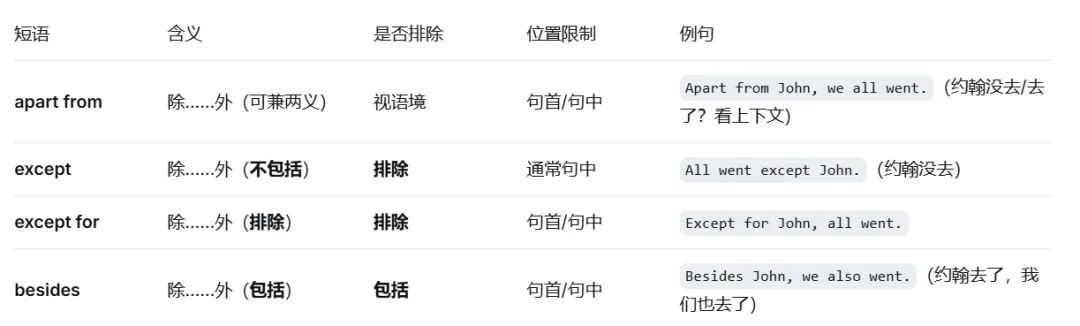
特殊性质:apart from = besides(包括) 或 = except(不包括),需根据语境判断
辨析表格(本课词汇重点) :
not... at all 根本不,一点也不
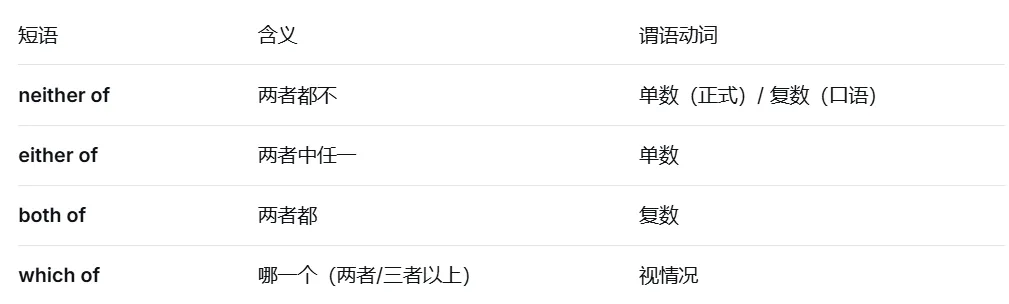
Neither of us 我们俩都不
四、动词与副词的特殊用法
drive on —— 副词on表示“继续”
nearly = almost 几乎,差不多
课文例句:I had nearly reached the town...
区别:nearly 不能与 no, any, never, none 等连用,此时只能用 almost
reply vs. answer
📖 词汇延伸学习
实用短语积累
💡 学习小贴士(给宝妈的学习建议)
“时间轴”绘画法(攻克过去完成时):准备纸笔,和孩子一起画课文的时间轴。把 leave the village, drive on, wave, get into the car, say good morning, reply, nearly reach, speak English 等动作按顺序标在线上。强调:had left 和 had got 必须画在更靠左的位置,让孩子直观看见“过去的过去”。这是本课语法的制胜法宝。
“一……就……”接龙游戏:练习 as soon as + 过去完成时。家长说前半句,孩子接后半句。例如:
“搭车”情景对话:出门散步或接送孩子时,模拟课文场景。练习以下对话链:
Can you give me a lift?
Sure, get in!
Thank you for the lift.
在真实语境中掌握 lift 的全部搭配。
“除了……都”辨析游戏:用家里的物品玩“除外”游戏。指着水果篮说:Everyone except the banana is yellow.Apart from the apple, all the fruits are round. 让孩子判断是“包括”还是“排除”,用动作表示(留下/拿走)。apart from的双向含义立刻清晰。
“neither/either/both”三选一:用手指着两只眼睛/两只手/两只脚,练习:
I can close both of my eyes.
I can close either of my eyes.(闭左眼或右眼)
I can close neither of my eyes.(努力睁着)
身体记忆法,语法永不忘。
“As we know”造句挑战:每天早餐时,用 As + 某人 + 动词 说一句“公认事实”。例如:
As Mom says, breakfast is important.
As Dad thinks, exercise is good for us.
一周下来,这个句型就内化了。
✅ 本课总结检查清单
学完这一课,你应该能够:
清晰说出过去完成时的结构(had + 过去分词)和核心含义(过去的过去)。
在时间状语从句中,正确搭配 after / as soon as(从句had done)和 before(主句had done)。
准确区分 apart from 的“包括”和“排除”两种含义,并知道何时用 except / except for / besides。
熟练使用 ask for a lift / give sb. a lift / get a lift 这一系列“搭车”短语。
掌握 neither of(两者都不)、either of(两者任一)、both of(两者都)的区别及谓语动词的数。
理解 I had nearly... when... 句型中 when 的真实含义是“就在此时”。
用 As + 主语 + 动词 结构写出“正如……”的句子。
区分 experience 作“经历”(可数)和“经验”(不可数)的用法。
复述课文幽默点:两人全程用法语打招呼、用法语回答,却谁也不会法语,最后发现彼此都是英国人!
🌟 最后鼓励一下自己
35岁重新开始学英语需要很大的勇气,但你是为了孩子,也是为了自己——这份动力是最珍贵的。不要担心起步晚,也不要害怕犯错。每个单词的积累,每个句子的理解,都是你进步的脚印。
《新概念英语》第二册是很好的学习材料,坚持下去,你会发现英语其实没有想象中那么难。你现在的努力,不仅是在提升自己,也是在给孩子树立终身学习的好榜样。
加油!每天进步一点点,半年后回头看,你会惊讶于自己的成长。
end