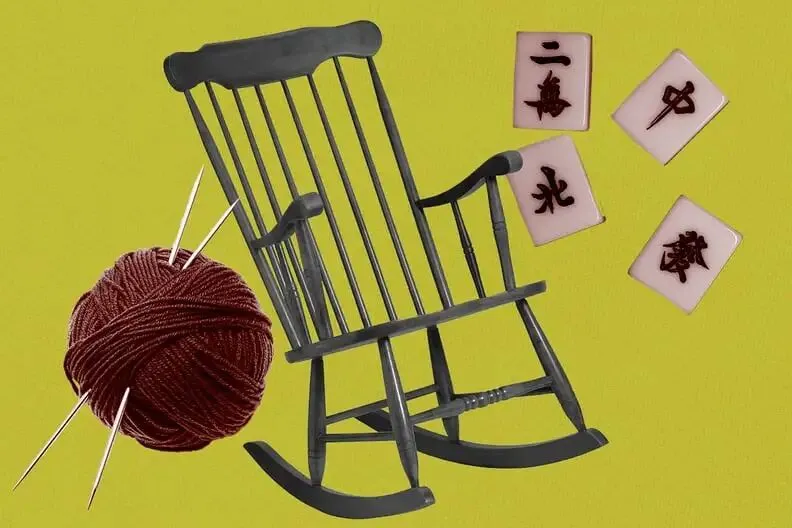
"Psychologists call such yearning "anemoia": in an era of flashy screens and endless apps, youngsters look with rose-tinted glasses at such dull things as darning an old pair of socks." —— 心理学家将这种渴望称为“怀旧幻想”(anemoia):在一个充斥着闪烁屏幕和无数应用的时代,年轻人却觉得诸如缝补旧袜子这类枯燥的琐事无比美好。
本句出自经济学人杂志4月的文章Old at heart: Why Gen Z is taking up boomer hobbies (老灵魂:为什么 Z 世代开始迷上老年人的爱好)。该文章探讨了 Z 世代兴起的“奶奶风”(Grannycore)趋势。当代年轻人正逃离数字世界的喧嚣,转向编织、缝补等慢节奏的传统手工,这种对未曾经历之时代的怀旧情绪正改变着他们的社交与解压方式。
Anemoia
(名)对未曾经历之时代的怀旧。
【解析】这是美国作家John Koenig创造的一个新词,收录在他的书The Dictionary of Obscure Sorrows。它来自希腊语词根——“anemos”意为风,“noos”意为心灵——唤起了人们对想象历史的渴望,比如年轻一代通过媒体和文物将20世纪80年代等过去几十年浪漫化。
Rose-tinted glasses
(习语)只看到事物好的一面
【解析】一般的搭配是look at something through rose-tinted glasses,意味着过滤掉了当时的粗糙与苦难,只留下美好的滤镜。作者用这个词说明,在年轻人眼中,原本奶奶辈枯燥乏味的“补袜子”(darning)等行为在如今的也被赋予了某种诗意。Darning
(动/名)缝补(织物上的洞)
【解析】作为“奶奶风”生活的具象代表,它与前文的“闪烁屏幕”(flashy screens)构成强烈的行为反差。这种从“高科技”向“原始手工”的倒退,体现了当代不少年轻人对真实触感的渴望。
冒号的桥接与解构功能
结构分析:句子主干是 Psychologists call... “anemoia”。冒号之后紧跟具体的社会背景与行为描写,起到了从抽象理论到感性现实的落地作用。这种结构常用于定义一个新概念,并随即提供生动的例证。
结构分析:in an era of flashy screens and endless apps。这个前置状语不仅交代了时代背景,更通过“闪烁”与“无数”这两个词组,构建了一个让人焦虑的现代语境,从而为后文“玫瑰色滤镜”下的平静生活做了铺垫。公式:In an era of [Modern Context], [Target Group] look with [Attitude] at such [Simple Things] as [Specific Action]
"In an era of relentless notifications and digital tethers, young professionals look with intense envy at such simple things as a weekend spent entirely offline." 在一个通知不断、被数字设备束缚的时代,年轻职场人却带着强烈的羡慕,审视着诸如彻底断网度过周末这类简单的小事。
"In an era of ubiquitous algorithms and fragmented content, digital natives look with rose-tinted glasses at such archaic habits as the slow, tactile ritual of turning physical pages." —— 在算法无处不在且内容碎片的时代,数字原住民正却觉得诸如翻阅实体书页这种缓慢且具有触感的古老习惯如此美好。