【特别声明】本文旨在进行英语学习方法的交流与教学研究。所涉及《新概念英语》原文内容版权归原作者L.G. Alexander及出版方外语教学与研究出版社所有。本文内容为基于正版教材的学习笔记和教学参考,仅供学习交流之用。若喜欢本教材,请务必购买正版实体书。
一、课文导读
本课学习目标
今天我们要学习的是新概念英语第二册的第二十一课,标题是 "Mad or not?"(是不是疯了)。
这是一个关于"噪音扰民"的幽默故事——作者住在机场附近,日夜被飞机噪音折磨。机场多年前就建好了,但直到去年才启用。超过100人已被噪音逼走,作者是少数留下的人之一。有人出高价让他搬走,但他决定留下来。大家都说他疯了——也许他们是对的!
本课的重点知识点包括:
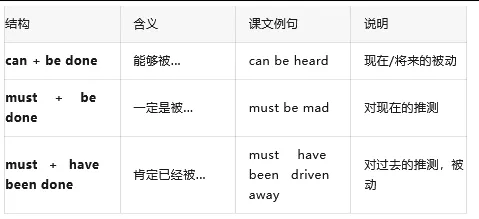
被动语态与情态动词连用(核心语法)——情态动词+be done / have been done
must + have been done表示对过去情况的推测
drive sb. mad/crazy(逼疯)的用法
one of + 复数名词的结构
过去分词left作后置定语
come into use(开始使用)短语
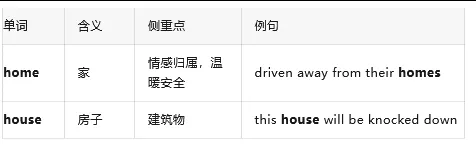
home vs. house的辨析
offer sb. sth. / be offered sth.的被动结构
文化背景:飞机噪音与居民搬迁
随着航空业发展,机场附近的噪音污染成为全球性问题。许多国家都有"机场噪音区"的概念,政府会对受影响居民进行补偿搬迁。课文中提到"over a hundred people must have been driven away"正是这种社会现象的真实写照。作者坚持留下来,宁愿"发疯"也不离开,这种固执既可笑又可敬。
二、课文原文
Lesson 21 Mad or not?
Aeroplanes are slowly driving me mad. I live near an airport and passing planes can be heard night and day. The airport was built years ago, but for some reason it could not be used then. Last year, however, it came into use. Over a hundred people must have been driven away from their homes by the noise. I am one of the few people left. Sometimes I think this house will be knocked down by a passing plane. I have been offered a large sum of money to go away, but I am determined to stay here. Everybody says I must be mad and they are probably right.
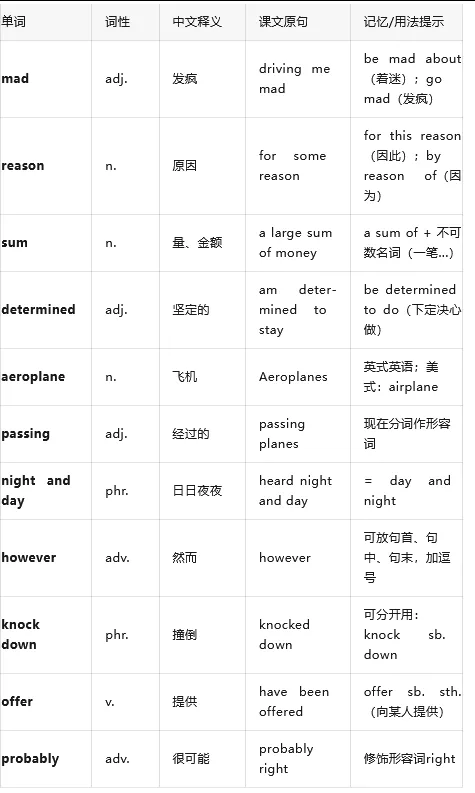
三、本课核心词汇表
课文重点词汇
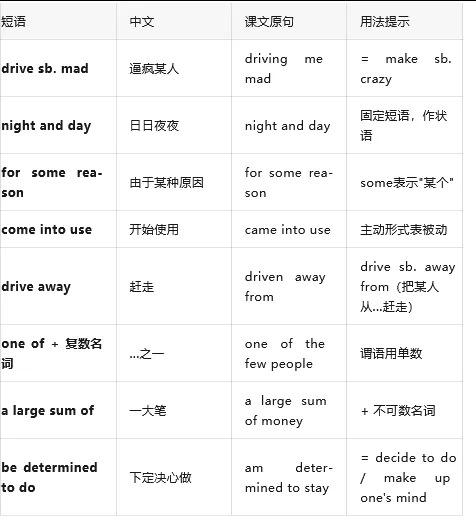
重点短语
本课核心语法:情态动词+被动语态
home vs. house 辨析