HOCKEY FOG AND CAUSAL CHAINS
冰球大雾与因果链
原文:The fog-clouded Stanley Cup playoffs in Buffalo are an excellent illustration of the point that causal chains within organizations are lengthy as well as dense (Reynolds 1974). It seems hard to imagine that expanding the number of teams would result in a controversial playoff due to fog. Nevertheless, there is a kind of inevitability once some of these small beginnings of expansion are set in motion. As you sign more teams, it takes a longer season for all teams to play all other teams; the playoffs also last longer. This means that hockey, normally a cold-weather sport, now spills over into the spring for the playoffs and into the early fall for exhibition games. Both of these encroachments on warmer seasons raise the odds that hot air will mix with cold air coming from the ice and that the mixture will form clouds of vapor on the surface.
参考译文:布法罗那场大雾弥漫的斯坦利杯决赛,极好地说明了组织内部的因果链条既漫长又密集(雷诺兹1974)。人们似乎很难想象,增加球队数量竟然会导致一场因大雾而引发争议的决赛。然而,一旦扩张的种子被播下,某种必然性便随之启动。随着签约球队的增多,所有球队互相对垒所需的赛季时间就会拉长,季后赛的持续时间也随之变久。这意味着冰球这项通常属于寒冷季节的运动,其季后赛现在溢出到了春季,而季前赛则进入了初秋。这两个对温暖季节的蚕食,都增加了热空气与冰面冷空气混合的几率,而这种混合物最终在冰面上形成了云雾。
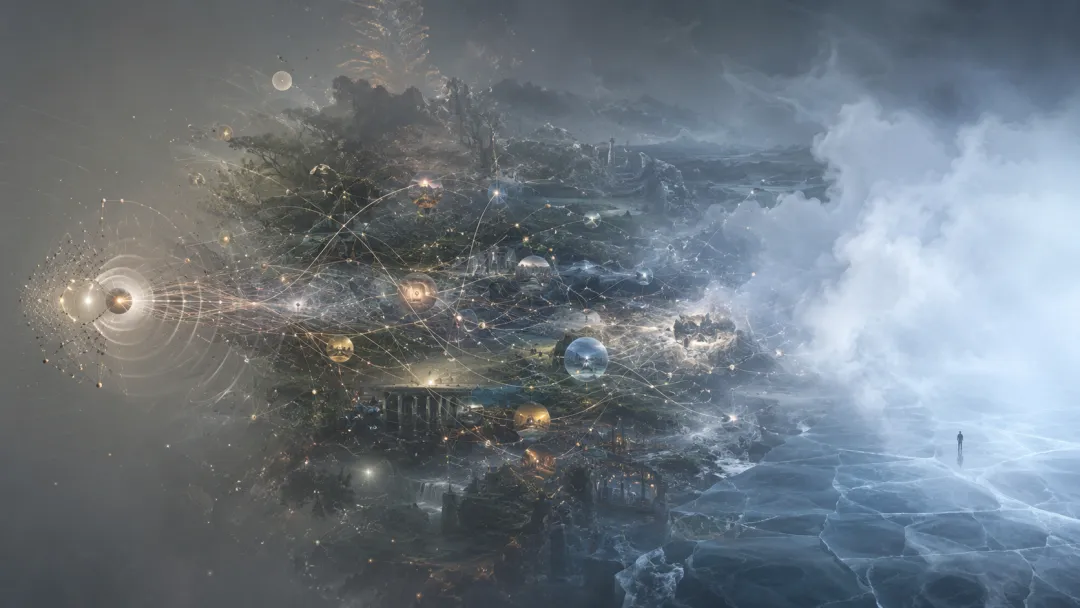
图片由AI生成
- 管理者在做决策(如扩充球队)时,通常只看到眼前的利益(更多的门票、更大的市场)。他们认为这是一个孤立的商业决策。
- 因果是如何层层传递的:扩充球队→赛程拉长→比赛进入热天→ 物理温差 →冰场起雾。这是一个从“商业决策”转化为“物理现象”的漫长过程。
- 联盟高层一直在纳闷为什么会出现大雾,却没意识到这大雾正是他们自己亲手“制造”出来的。组织不是在适应环境,而是在通过一系列连续的决策“编织”出它最终必须置身其中的环境。
总结:你今天的每一个决策,都在为明天埋下某种“必然性”。如果你不理解这些漫长且密集的因果链,你就会不断被自己亲手创造出的“大雾”所困扰。