Lesson 34 Adolescence
课文:
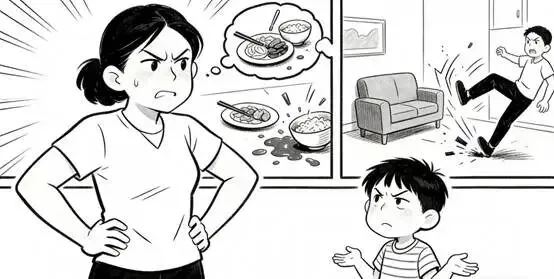
1. Parents are often upset when their children praise the homes of their friends.
·句子类型:复合句(时间状语从句 + 主句)
·核心结构:主句 (Parents are often upset) + 时间状语从句(when their children praise the homes of their friends)
·语法要点:①when 引导时间状语从句,表“当……时”,从句为主谓宾结构;②主句为主系表结构,upset 为形容词作表语,表“心烦的、不安的”;③ of their friends 为介词短语作后置定语,修饰the homes。
·释义:当家长听到孩子赞扬自己朋友的家时,总感到不安。
·
2. They regard it as a slur on their own cooking, or cleaning, or furniture, and often are foolish enough to let the adolescents see that they are annoyed.
·句子类型:并列复合句(and 连接两个分句,后一分句含宾语从句)
·核心结构:分句 1 (They regard it as a slur...) + and + 分句2 (they are foolish enough to let the adolescents see that...)
·语法要点:①固定搭配regard...as...(把……视为……),it 指代前文“孩子赞扬朋友家”这件事;② on their own cooking... 为介词短语作后置定语,修饰a slur;③ enough to do sth 结构,表“足够……去做某事”;④ let sb do sth 使役动词用法,后接动词原形see;⑤ that 引导宾语从句,作 see 的宾语。
·释义:认为孩子在嫌弃自家的饭菜、卫生或家具,而且愚蠢地让孩子看出自己的烦恼。
·
3. They may even accuse them of disloyalty, or make some spiteful remark about the friends' parents.
·句子类型:简单句(并列谓语)
·核心结构:主语 (They) + 并列谓语(may accuse...or make...) + 宾语 (them/some spiteful remark)
·语法要点:①并列谓语由may accuse 和make 构成,共用主语They;②固定搭配 accuse sb of sth(指责某人某事),them指代孩子;③ about the friends' parents 为介词短语作后置定语,修饰remark;④ spiteful 为形容词作定语,修饰remark。
·释义:他们甚至责备孩子不忠,或者讲些小朋友家长的坏话。
·
4. Such a loss of dignity and descent into childish behaviour on the part of the adults deeply shocks the adolescents, and makes them resolve that in future they will not talk to their parents about the places or people they visit.
·句子类型:并列复合句(and 连接两个谓语,后一谓语含宾语从句+ 定语从句)
·核心结构:主语 (Such a loss...and descent...) + 并列谓语(shocks...and makes...) + 宾语 (the adolescents/them) + 宾语从句(that...)
·语法要点:①主语为并列的抽象名词短语a loss of dignity 和 descent into childish behaviour,on the part of the adults 为介词短语作后置定语,修饰主语;②固定搭配 make sb do sth,resolve 为省略to 的不定式作宾语补足语;③ that 引导宾语从句,作 resolve 的宾语;④ they visit 为省略关系代词that/who/which 的限制性定语从句,修饰the places or people。
·释义:家长这种有失身份和孩子气的作法使青春期的孩子大为震惊,决心以后不再向父母讲述去过的地方和见过的人。
·
5. Before very long the parents will be complaining that the child is so secretive and never tells them anything, but they seldom realize that they have brought this on themselves.
·句子类型:并列复合句(but 连接两个分句,均含宾语从句)
·核心结构:分句 1 (the parents will be complaining that...) + but + 分句 2 (they seldom realize that...)
·语法要点:①before very long 为时间状语,表 “不久之后”;②前一分句用将来进行时 will be complaining,表 “将会不断抱怨”的持续状态;③两个 that 均引导宾语从句,分别作complain 和realize 的宾语;④ bring sth on oneself 固定搭配,表“咎由自取”,this 指代 “孩子守口如瓶”的情况。
·释义:不要很久,家长就会抱怨孩子守口如瓶,什么事也不告诉他们,殊不知这是他们咎由自取。
·
6. Disillusionment with the parents, however good and adequate they may be both as parents and as individuals, is to some degree inevitable.
·句子类型:复合句(让步状语从句 + 主句)
·核心结构:主句 (Disillusionment...is inevitable) + 让步状语从句(however good and adequate they may be...)
·语法要点:①with the parents 为介词短语作后置定语,修饰 Disillusionment;② however 引导让步状语从句,表“无论多么”,相当于no matter how;③ as parents and as individuals 为方式状语,表“作为父母和作为独立的人”;④ to some degree 为程度状语,表“在某种程度上”,修饰inevitable。
·释义:不管家长的人品有多么好,作为父母有多么合格,孩子们对家长幻想的破灭在某种程度上是不可避免的。
·
7. Most children have such a high ideal of their parents, unless the parents themselves have been unsatisfactory, that it can hardly hope to stand up to a realistic evaluation.
·句子类型:复合句(条件状语从句 + such...that... 结果状语从句)
·核心结构:主句 (Most children have such a high ideal...) + 条件状语从句(unless...) + 结果状语从句(that...)
·语法要点:①unless 引导条件状语从句,表“除非”,相当于if...not;② such + 名词短语 + that... 结构,引导结果状语从句,表“如此……以至于……”;③ of their parents 为介词短语作后置定语,修饰a high ideal;④ it 指代前文的 a high ideal of their parents;⑤ stand up to 固定搭配,表“经受住;经得起”。
·释义:除非父母自身不能令人满意,大多数孩子对父母估价过高,以致这种估价很难指望经受住现实的考验。
·
8. Parents would be greatly surprised and deeply touched if they realized how much belief their children usually have in their character and infallibility, and how much this faith means to a child.
·句子类型:复合句(条件状语从句 + 主句,从句含两个并列的宾语从句)
·核心结构:主句 (Parents would be greatly surprised and deeply touched) + 条件状语从句 (if they realized how much...and how much...)
·语法要点:①本句为虚拟语气,表与现在事实相反的假设,主句用would + 动词原形,从句用一般过去时;② if 引导条件状语从句,从句中两个 how much 均引导宾语从句,作realized 的宾语,宾语从句用陈述语序;③ have belief in sth 固定搭配,表“相信某事/ 某物”;④ infallibility 为名词,表“绝对正确”,this faith 与前文的belief 同义替换。
·释义:如果家长意识到孩子们通常是多么相信家长的品行和绝对正确,意识到孩子们的这种信念会对孩子产生多么大的影响,那么家长会大为吃惊和深受感动的。
·
9. If parents were prepared for this adolescent reaction, and realized that was a sign that the child was growing up and developing valuable powers of observation and independent judgment, they would not be so hurt, and therefore would not drive the child into opposition by resenting and resisting it.
·句子类型:复合句(条件状语从句 + 主句,从句含多层从句)
·核心结构:条件状语从句 (If parents were prepared...and realized that...) + 主句 (they would not be...and would not drive...)
·语法要点:①虚拟语气,与现在事实相反,从句用were / 过去式,主句用would + 动词原形;②条件状语从句中并列谓语 were prepared for 和 realized,realized 后接 that 引导的宾语从句,第一个that 可省略;③宾语从句中嵌套 that 引导的同位语从句,解释说明a sign 的具体内容;④ of observation and independent judgment 为介词短语作后置定语,修饰powers;⑤ by resenting and resisting it 为方式状语,表“通过……方式”,it 指代 this adolescent reaction;⑥ drive sb into opposition 固定搭配,表“把某人推到对立面”。
·释义:如果家长对青少年的这种反应有思想准备,并且意识到这象征着孩子们正在成熟和正在发展宝贵的观察力、独立判断力,那么他们就不会那样伤心,也就不会由于怨恨和抵触这种反应,而把孩子推到自己的对立面去。
·
10. The adolescent, with his passion for sincerity, always respects a parent who admits that he is wrong, or ignorant, or even that he has been unfair or unjust.
·句子类型:复合句(定语从句 + 宾语从句)
·核心结构:主语 (The adolescent) + 谓语 (respects) + 宾语 (a parent) + 定语从句(who...)
·语法要点:①with his passion for sincerity 为介词短语作伴随状语,修饰主语 The adolescent;② who 引导限制性定语从句,修饰 a parent,who 在从句中作主语;③定语从句中 admit 后接两个并列的that 宾语从句,第二个that 不可省略,避免歧义;④ ignorant 为形容词作表语,表“无知的”,unfair 和 unjust 为近义形容词,表“不公平的”。
·释义:青少年酷爱真诚,对于能够承认错误或无知、甚至承认自己做得不公平或不公正的父母,他们总是尊敬的。
11. What the child cannot forgive is the parents' refusal to admit these charges if the child knows them to be true.
·句子类型:复合句(主语从句 + 条件状语从句)
·核心结构:主语从句 (What the child cannot forgive) + 系动词(is) + 表语(the parents' refusal...) + 条件状语从句 (if...)
·语法要点:①What 引导主语从句,在从句中作forgive 的宾语,主句为主系表结构;② to admit these charges 为不定式作后置定语,修饰the parents' refusal;③if 引导条件状语从句,从句中know sb/sth to be true 为固定用法,them 指代 these charges。
·释义:孩子们所不能原谅的是:父母错了,孩子们也看出来了,可是做父母的还不肯承认。
·
12. Victorian parents believed that they kept their dignity by retreating behind an unreasoning authoritarian attitude in fact they did nothing of the kind, but children were then too cowed to let them know how they really felt.
·句子类型:并列复合句(but 连接两个分句,前一分句含宾语从句,后一分句含宾语从句)
·核心结构:分句 1 (Victorian parents believed that...) + but + 分句 2 (children were too cowed to let them know how...)
·语法要点:①that 引导宾语从句,作believed 的宾语;② by retreating behind... 为方式状语,表“通过……方式”,retreat behind 表 “躲在…… 背后;以……为借口”;③ too...to... 结构,表“太……而不能……”,cowed 为形容词,表“被吓坏的”;④ how 引导宾语从句,作 know 的宾语,用陈述语序;⑤ nothing of the kind 固定搭配,表“根本不是那么回事;丝毫没有”。
·释义:维多利亚时代的父母认为,他们可靠无理的权威气派来维护自己的尊严,实际上那是根本不行的,孩子们只不过被吓得不敢让父母知道自己的想法罢了。
·
13. Today we tend to go to the other extreme, but on the whole this is a healthier attitude both for the child and the parent.
·句子类型:并列简单句(but 连接两个主系表结构分句)
·核心结构:分句 1 (we tend to go to the other extreme) + but + 分句 2 (this is a healthier attitude...)
·语法要点:①tend to do sth 固定搭配,表“倾向于做某事”;② on the whole 为评注性状语,表“总的来说;大体上”;③ both for the child and the parent 为方面状语,表“对孩子和家长双方而言”,both...and... 连接并列宾语。
·释义:虽然现在我们倾向于走向另一个极端,但总地来看,孩子和家长双方态度都比较端正。
·
14. It is always wiser and safer to face up to reality, however painful it may be at the moment.
·句子类型:复合句(让步状语从句 + 形式主语句)
·核心结构:形式主句 (It is always wiser and safer to face up to reality) + 让步状语从句 (however painful it may be...)
·语法要点:①It 为形式主语,真正的主语是后面的不定式to face up to reality,避免句子头重脚轻;②face up to 固定搭配,表“勇敢面对;正视”;③ however 引导让步状语从句,表“无论多么”,it 指代前文的to face up to reality 这件事;④at the moment 为时间状语,表“此刻;当下”。
·释义:遇事采取面对现实的态度总是比较明智和稳妥的,尽管会有暂时的痛苦。
词汇:
一、核心词汇
1.adolescence /ˌædəˈlesns/n. 青春期(课文主题词)
2.upset /ʌpˈset/adj. 心烦的;不安的v. 使心烦(本课作形容词,搭配:be upset)
3.slur /slɜː(r)/n. 诋毁;贬低(搭配:a slur on sth 对某物的贬低)
4.furniture /ˈfɜːnɪtʃə(r)/n. 家具(不可数名词,无复数)
5.adolescent /ˌædəˈlesnt/n. 青少年adj. 青春期的(本课作名词,对应adolescence)
6.accuse /əˈkjuːz/v. 指责;控告(搭配:accuse sb of sth)
7.disloyalty /ˌdɪsˈlɔɪəlti/n. 不忠;不忠诚(反义词:loyalty忠诚)
8.spiteful /ˈspaɪtfl/adj. 怀恨的;恶意的(搭配:spiteful remark 恶意的话语)
9.dignity /ˈdɪɡnəti/n. 尊严;自尊(搭配:loss of dignity 失去尊严)
10.descent /dɪˈsent/n. 沦落;下降(搭配:descent into sth 沦落为……)
11.childish /ˈtʃaɪldɪʃ/adj. 孩子气的;幼稚的(区别:childlike天真的,褒义)
12.shock /ʃɒk/v. 使震惊n. 震惊(本课作动词)
13.resolve /rɪˈzɒlv/v. 决心;决定(搭配:resolve to do sth)
14.secretive /ˈsiːkrətɪv/adj. 守口如瓶的;隐秘的
15.disillusionment /ˌdɪsɪˈluːʒnmənt/n. 幻想破灭;醒悟(搭配:disillusionment with sb 对某人的幻想破灭)
16.adequate /ˈædɪkwət/adj. 合格的;足够的;适当的
17.inevitable /ɪnˈevɪtəbl/adj. 不可避免的;必然的
18.ideal /aɪˈdɪəl/n. 理想;完美形象adj. 理想的(本课作名词,搭配:a high ideal of sb 对某人的高度美好印象)
19.unsatisfactory /ˌʌnˌsætɪsˈfæktəri/adj.令人不满意的;不合格的
20.realistic /ˌriːəˈlɪstɪk/adj. 现实的;实际的(搭配:realistic evaluation 现实的评价)
21.evaluation /ɪˌvæljuˈeɪʃn/n. 评价;评估
22.infallibility /ɪnˌfæləˈbɪləti/n. 绝对正确;无过失(对应形容词:infallible绝对正确的)
23.faith /feɪθ/n. 信念;信任(搭配:faith in sb/sth 对某人/ 某物的信任)
24.adolescent /ˌædəˈlesnt/adj. 青少年的(搭配:adolescent reaction 青少年的反应)
25.observation /ˌɒbzəˈveɪʃn/n. 观察;观察力(搭配:powers of observation 观察力)
26.independent /ˌɪndɪˈpendənt/adj. 独立的(搭配:independent judgment 独立判断力)
27.judgment /ˈdʒʌdʒmənt/n. 判断力;判断(也作judgement)
28.hurt /hɜːt/adj. 伤心的;受伤的v. 伤害(本课作形容词)
29.resent /rɪˈzent/v. 怨恨;愤恨
30.resist /rɪˈzɪst/v. 抵制;抗拒
31.passion /ˈpæʃn/n. 酷爱;热情(搭配:passion for sth 对某物的酷爱)
32.sincerity /sɪnˈserəti/n. 真诚;诚挚(对应形容词:sincere真诚的)
33.ignorant /ˈɪɡnərənt/adj. 无知的;不知情的
34.unfair /ˌʌnˈfeə(r)/adj. 不公平的;不公正的
35.unjust /ˌʌnˈdʒʌst/adj. 不公正的;不公平的(与unfair 近义)
36.forgive /fəˈɡɪv/v. 原谅;宽恕(过去式forgave,过去分词forgiven)
37.refusal /rɪˈfjuːzl/n. 拒绝(搭配:refusal to do sth 拒绝做某事)
38.charge /tʃɑːdʒ/n. 指责;指控(本课作“指责”义)
39.authoritarian /ɔːˌθɒrɪˈteəriən/adj. 专制的;权威主义的(搭配:authoritarian attitude 权威气派/ 专制态度)
40.cow /kaʊ/v. 恐吓;吓唬(本课用过去分词cowed,表“被吓坏的”)
41.extreme /ɪkˈstriːm/n. 极端 adj. 极端的(搭配:go to the other extreme 走向另一个极端)
42.painful /ˈpeɪnfl/adj. 痛苦的;令人难受的
二、高级固定搭配
1.regard...as... 把…… 视为……;认为……是……(后接名词/ 形容词,课文:regard it as a slur)
2.accuse sb of sth 指责某人某事;控告某人犯某罪(课文:accuse them of disloyalty)
3.loss of dignity 失去尊严;有失身份(抽象名词搭配,写作常用)
4.descent into sth 沦落为……;陷入……(课文:descent into childish behaviour)
5.on the part of sb 在某人方面;由某人做出的(用于修饰动作/ 行为,课文:on the part of the adults)
6.resolve to do sth 决心做某事(课文:resolve that...=resolve to do sth,从句替换不定式)
7.bring sth on oneself 咎由自取;自食其果(课文:brought this on themselves,this 指代孩子守口如瓶)
8.disillusionment with sb 对某人的幻想破灭(固定介词搭配with)
9.to some degree 在某种程度上;在一定程度上(同义:to some extent,写作替换词)
10.such a high ideal of sb 对某人的高度美好印象;对某人寄予厚望
11.stand up to 经受住;经得起;勇敢面对(课文:stand up to a realistic evaluation)
12.have belief in sb/sth 相信某人/ 某物;对某人/ 某物有信心(同义:have faith in sb/sth,课文互换使用)
13.be prepared for sth 为某事做好准备(课文:be prepared for this adolescent reaction)
14.powers of observation 观察力(固定搭配,powers表 “能力”,用复数)
15.independent judgment 独立判断力(写作常用短语,描述人的能力)
16.drive sb into opposition 把某人推到对立面;使某人成为反对者
17.by doing sth 通过做某事(表方式,课文:by resenting and resisting it)
18.passion for sincerity 对真诚的酷爱;热爱真诚(passion for 后接名词/ 动名词)
19.go to the extreme 走向极端(课文:go to the other extreme 走向另一个极端)
20.on the whole 总的来说;大体上;整体而言(评注性状语,写作用于总结)
21.face up to reality 正视现实;勇敢面对现实(face up to 后接困难/ 现实等,表主动面对)
三、拓展高频搭配
(一)亲子沟通类
1.parent-adolescent relationship 亲子关系;父母与青少年的关系
2.communicate with adolescents 与青少年沟通
3.avoid misunderstandings 避免误解
4.build mutual trust 建立相互信任
5.express one's feelings 表达自己的感受
6.avoid childish behaviour 避免幼稚的行为
7.gain the respect of children 赢得孩子的尊重
8.admit one's mistakes 承认自己的错误
9.avoid making spiteful remarks 避免说恶意的话语
10.bridge the generation gap 消除代沟
(二)青春期成长类
1.develop independent thinking 培养独立思考能力
2.improve powers of observation 提升观察力
3.form one's own judgment 形成自己的判断力
4.the growth of adolescents 青少年的成长
5.emotional changes in adolescence 青春期的情绪变化
(三)态度与认知类
1.a realistic attitude to life 对生活的现实态度
2.face difficulties bravely 勇敢面对困难
3.give up unrealistic ideals 放弃不切实际的幻想
4.accept objective evaluation 接受客观的评价
5.resist the temptation of sth 抵制某物的诱惑
6.resent unfair treatment 怨恨不公平的对待
(四)通用写作类
1.an inevitable result 必然的结果
2.to a great degree 在很大程度上
3.take a rational attitude 采取理性的态度
4.the loss of trust 失去信任
5.make a wise judgment 做出明智的判断
句型:
句式 1
原句:Disillusionment with sb/sth, however good and adequate they/it may be in some aspects, is to some degree inevitable.
套用结构:Disillusionment with ______, however ______ they/it may be ______, is to some degree inevitable.
替换说明:①第一空填人 / 事物(如:idols, this plan, the reality);②第二空填形容词(如:excellent, perfect, impressive);③第三空填介宾短语表领域(如:in appearance, in theory, in practice)。
作文适配:写理想与现实、偶像崇拜、计划实施等话题,表 “对某事物的幻想破灭虽遗憾但不可避免”。
句式 2
原句:If sb were prepared for sth, and realized that it was a sign that sb was growing up and developing valuable abilities, they would not be so hurt, and therefore would not push sb into opposition.
套用结构:If ______ were prepared for ______, and realized that it was a sign that ______ was ______ and developing ______, they would not be so ______, and therefore would not ______.
替换说明:① 1/4 空填主体(如:teachers, parents, we);② 2 空填事件(如:the students' rebellion, the changes of life);③ 5 空填成长类动词 / 短语(如:maturing, making progress, gaining experience);④ 6 空填名词(如:practical skills, social abilities, independent thinking);⑤ 7 空填情绪形容词(如:disappointed, angry, frustrated);⑧ 8 空填行为短语(如:blame others blindly, give up easily, push people away)。
作文适配:写教育、人际关系、成长感悟等话题,表 “对他人的变化做好准备,便不会产生矛盾”。
句式 3
原句:Sb, with a passion for sth, always respects another who admits that he is wrong, or ignorant, or even that he has made mistakes.
套用结构:______, with a passion for ______, always respects ______ who admits that he is ______, or ______, or even that he has ______.
替换说明:① 1 空填主体(如:We, Young people, Readers);② 2 空填抽象名词(如:honesty, truth, sincerity);③ 3 空填人 / 角色(如:others, leaders, teachers);④ 4/5 空填形容词(如:careless, imperfect, inexperienced);⑥ 6 空填动作短语(如:failed to keep his promise, made foolish decisions)。
作文适配:写做人准则、尊重、真诚等话题,表 “崇尚某品质的人,总会尊重勇于承认不足的人”。
句式 4
原句:What sb cannot forgive is the refusal of another to admit their mistakes if sb knows them to be true.
套用结构:What ______ cannot forgive is the ______ of ______ to ______ if ______ knows ______ to be true.
替换说明:① 1/5 空填主体(如:we, the public, consumers);② 2 空填名词(如:refusal, reluctance, denial);③ 3 空填人 / 主体(如:others, the company, the government);④ 4 空填动词短语(如:correct their errors, tell the truth, take responsibility);⑥ 6 空填代词 / 名词(如:these facts, the truth, their faults)。
作文适配:写诚信、责任、人际关系等话题,表 “人们无法原谅他人明知错误却拒不承认的行为”。
句式 5
原句:It is always wiser and safer to face up to reality, however painful it may be at the moment.
套用结构:It is always ______ and ______ to ______, however ______ it may be ______.
替换说明:① 1/2 空填形容词(如:prudent, rational, brave; better, more meaningful);② 3 空填动词短语(如:accept the truth, confront the difficulty, admit your shortcomings);④ 4 空填形容词(如:hard, bitter, uncomfortable);⑤ 5 空填介宾短语表时间 / 程度(如:at the beginning, for a while, in the short term)。
作文适配:写挫折、成长、选择等万能话题,表 “勇敢面对某事虽暂时艰难,但却是明智的选择”。