Unity学习笔记(三)-C#编程语言之常量与变量
- 2026-03-26 06:04:08
Unity学习笔记(三)-C#编程语言之常量与变量今天我们来学习C#编程语言的变量常量 上一节说完了C#的数据类型,包括了值类型和引用类型,这节课说一说变量常量。 直白点说,常量就是在定义数据类型时给了一个固定的值,这个值在程序运行时不会改变,像我们定义了一个int i = 123,这就是一个简单的整数类型的常量,还可以定义字符串类型(string)或者其他类型; 变量就是在定义是我们也不知道是多少而让他暂时等于x、y,根据不同的情况去给他赋值,比如说int i = a;a = 123;这里就是定义了一个整形的变量i,他的值是a,在后续代码中,给a赋值为123。 接下来我们就来全面的看看常量和变量。 一、常量 常量是固定值,程序执行期间不会改变。常量可以是任何基本数据类型,比如整数常量、浮点常量、字符常量或者字符串常量,还有枚举常量。常量可以被当作常规的变量,只是它们的值在定义后不能被修改。 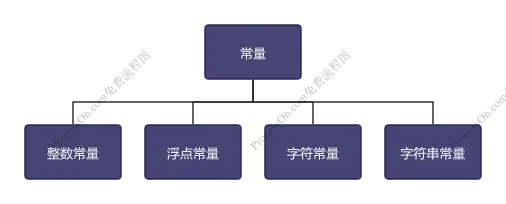
(一)整数常量 整数常量可以是十进制、八进制或十六进制的常量。 十进制整数常量是由0到9的数字组成,不带前缀。例如: 十六进制整数常量以 八进制整数常量以 二进制整数常量以 (二)浮点常量 一个浮点常量是由整数部分、小数点、小数部分和指数部分组成。可以使用小数形式或者指数形式来表示浮点常量。 注意:使用浮点形式表示时,必须包含小数点、指数或同时包含两者。使用指数形式表示时,必须包含整数部分、小数部分或同时包含两者。有符号的指数是用 e 或 E 表示的。 (三)字符常量 字符常量是括在单引号里,例如,'x',且可存储在一个简单的字符类型变量中。一个字符常量可以是一个普通字符(例如 'x')、一个转义序列(例如 '\t')或者一个通用字符(例如 '\u02C0')。 在 C# 中有一些特定的字符,当它们的前面带有反斜杠时有特殊的意义,可用于表示换行符(\n)或制表符 tab(\t)。在这里,列出一些转义序列码:
(四)字符串常量 (五)常量的定义 常量是使用 const关键字来定义的 。定义一个常量的语法如下: 案例: 案例执行结果: 二、变量 C#中提供的基本的值类型在上一节中提到了,忘记的话可以看看上一节的内容。 (一)变量的定义 C# 中变量定义的语法: 也可以在变量定义时进行初始化: (二)变量的命名规则 (三)变量的初始化 变量通过在等号后跟一个常量表达式进行初始化(赋值)。初始化的一般形式为: 也可以在声明时被初始化(指定一个初始值)。初始化由一个等号后跟一个常量表达式组成,如下所示: 一些实例: 案例: 案例执行结果: (四)接受用户输入的值 System命名空间中的 Console类提供了一个函数 ReadLine(),用于接收来自用户的输入(可以简单理解为在登陆游戏时用户输入的账号密码),并把它存储到一个变量中。例如: 函数 Convert.ToInt32()把用户输入的数据转换为 int 数据类型,因为 Console.ReadLine()只接受字符串格式的数据。 (五)C# 中的 Lvalues 和 Rvalues(左值和右值) 下面是一个无效的语句,会产生编译时错误:
int number = 123;0x或0X开头,后面跟着0到9的数字以及A到F(或a到f)的字母。例如:int hexNumber = 0x7b; //相当于十进制的1230开头,后面跟着0到7的数字。例如:int octalNumber = 0173; //173相当于十进制的1230b或0B开头,后面跟着0和1的数字。例如:int binaryNumber = 0b1111011; // 相当于十进制的1233.14159 /* 合法 */314159E-5L /* 合法 */510E /* 非法:不完全指数 */210f /* 非法:没有小数或指数 */.e55 /* 非法:缺少整数或小数 */
字符串常量是括在双引号 ""里,或者是括在 @""里。字符串常量包含的字符与字符常量相似,可以是:普通字符、转义序列和通用字符
使用字符串常量时,可以把一个很长的行拆成多个行,可以使用空格分隔各个部分。
这里是一些字符串常量的实例。下面所列的各种形式表示相同的字符串。
string a = "hello, world"; // hello, worldstring b = @"hello, world"; // hello, worldstring c = "hello \t world"; // hello worldstring d = @"hello \t world"; // hello \t worldstring e = "Joe said \"Hello\" to me"; // Joe said "Hello" to mestring f = @"Joe said ""Hello"" to me"; // Joe said "Hello" to mestring g = "\\\\server\\share\\file.txt"; // \\server\share\file.txtstring h = @"\\server\share\file.txt"; // \\server\share\file.txt
const <data_type> <constant_name> = value;using System;public class ConstTest{class SampleClass{public int x;public int y;public const int c1 = 5;public const int c2 = c1 + 5;publicSampleClass(int p1, int p2){x = p1;y = p2;}}staticvoidMain(){SampleClass mC = new SampleClass(11, 22);Console.WriteLine("x = {0}, y = {1}", mC.x, mC.y);Console.WriteLine("c1 = {0}, c2 = {1}",SampleClass.c1, SampleClass.c2);}}
x = 11, y = 22c1 = 5, c2 = 10
一个变量只不过是一个供程序操作的存储区的名字。
在 C# 中,变量是用于存储和表示数据的标识符,在声明变量时,您需要指定变量的类型,并且可以选择性地为其分配一个初始值。
在 C# 中,每个变量都有一个特定的类型,类型决定了变量的内存大小和布局,范围内的值可以存储在内存中,可以对变量进行一系列操作。
<data_type> <variable_list>;在这里,data_type 必须是一个有效的 C# 数据类型,可以是 char、int、float、double 或其他用户自定义的数据类型。variable_list 可以由一个或多个用逗号分隔的标识符名称组成。
一些有效的变量定义如下所示:
int i, j, k;char c, ch;float f, salary;double d;
int i = 100;在 C# 中,变量的命名需要遵循一些规则:
1、变量名可以包含字母、数字和下划线。 2、变量名必须以字母或下划线开头。 3、变量名区分大小写。 4、避免使用 C# 的关键字作为变量名。 int myVariable = 10;string _userName = "John";
variable_name = value;<data_type> <variable_name> = value;int d = 3, f = 5; /* 初始化 d 和 f. */byte z = 22; /* 初始化 z. */double pi = 3.14159; /* 声明 pi 的近似值 */char x = 'x'; /* 变量 x 的值为 'x' */
using System;namespace VariableDefinition{class Program{staticvoidMain(string[] args){short a;int b ;double c;/* 实际初始化 */a = 10;b = 20;c = a + b;Console.WriteLine("a = {0}, b = {1}, c = {2}", a, b, c);Console.ReadLine();}}}
a = 10, b = 20, c = 30int num;num = Convert.ToInt32(Console.ReadLine());
C# 中的两种表达式:
lvalue:lvalue 表达式可以出现在赋值语句的左边或右边。
rvalue:rvalue 表达式可以出现在赋值语句的右边,不能出现在赋值语句的左边。
变量是 lvalue 的,所以可以出现在赋值语句的左边。数值是 rvalue 的,因此不能被赋值,不能出现在赋值语句的左边。下面是一个有效的语句:
int g = 20;10 = 20;
本文来自网友投稿或网络内容,如有侵犯您的权益请联系我们删除,联系邮箱:wyl860211@qq.com 。


