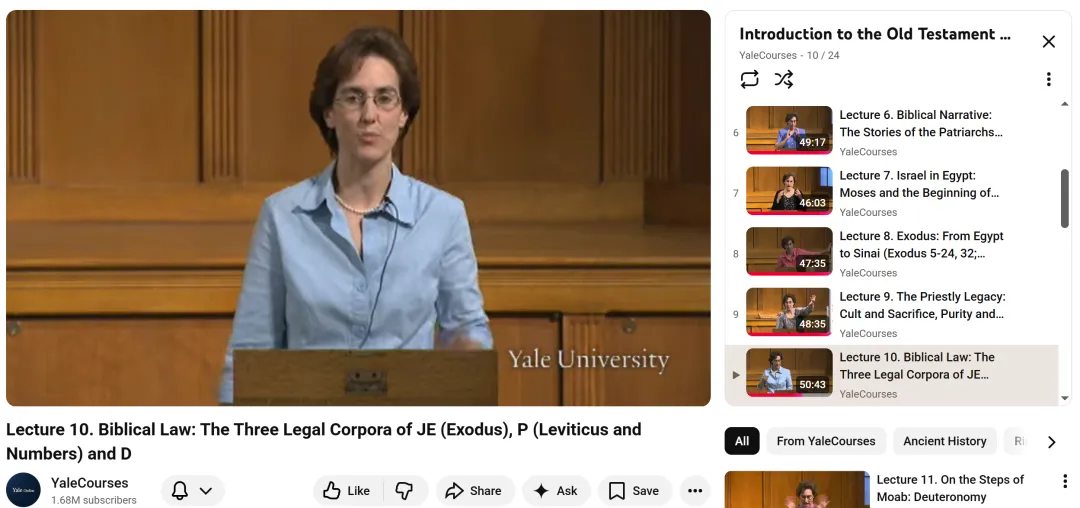
我由于研究备课国际课程欧洲史的需要和兴趣,在2017年就开始学习了解犹太圣经,并开始看耶鲁大学开放课程Introduction to the Old Testament课程,是犹太圣经学术分析的基础课程,但是当时才疏学浅,非常懵懵懂懂,无法坚持看下去,然后改学了其他更适合我的课。当然我也不是专业学习,更多是兴趣爱好,看犹太基督历史文化哲学相关内容,就这样懒懒散散看了快10年,妈耶!我才发现再看耶鲁大学教授Christine Hayes的课,差不多如履平地,也不是理解多么透彻但是完全知道她想说啥 。讲得真的非常好,醍醐灌顶之感,对我有非常大的启发。在这里就分享一小部分关于第10节课Biblical law的学习笔记。
以下是AI写的圣经文本的写作及编辑时间供参考
Composition Timeline (Writing/Sources)
·Deuteronomy (D Source): Developed around 750–550 BC, with the core (chapters 12-26) likely finalized during the late Kingdom of Judah (c. 650–600 BC).
·Priestly Source (P): Developed during or after the Babylonian Exile (approx. 587–538 BC), contributing heavily to the final form of Exodus, Leviticus, and Numbers.
- General Assembly: The finalization of the Pentateuch (Genesis–Deuteronomy) as a whole is often placed between 550 BC and 450 BC.
Key Characteristics
·Priestly Source (P): Responsible for much of Leviticus, the first creation story (Gen 1), and legal/genealogical details. It emphasizes God’s majesty, proper worship, and religious identity.
·Deuteronomy (D): Focuses on the covenant, the centralization of worship, and laws.
·Overlap: Numbers and Deuteronomy share similar narratives, with Deuteronomy covering the 40-year wilderness period.
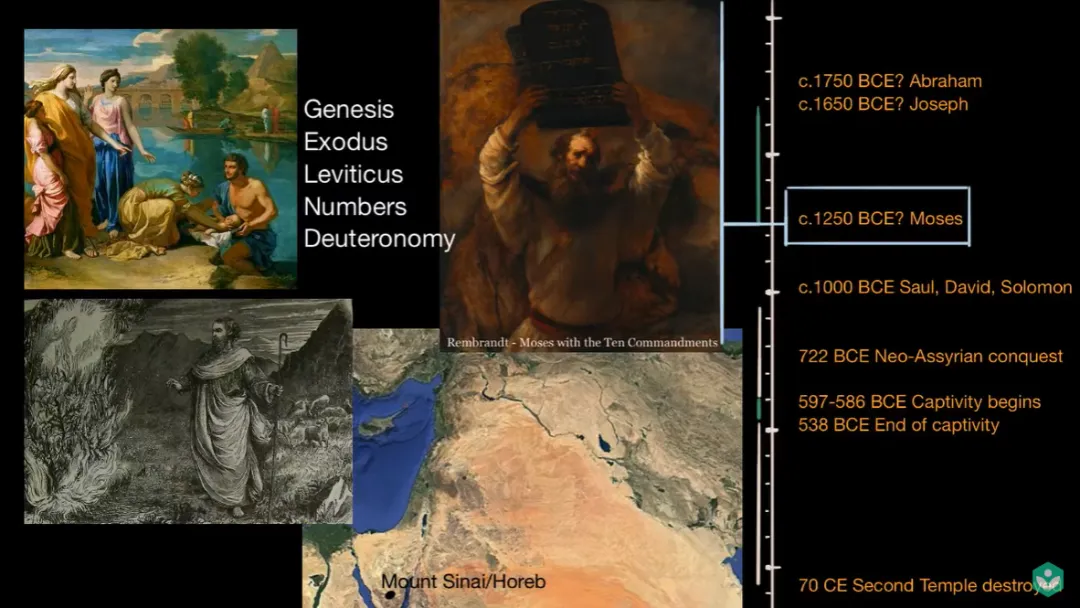
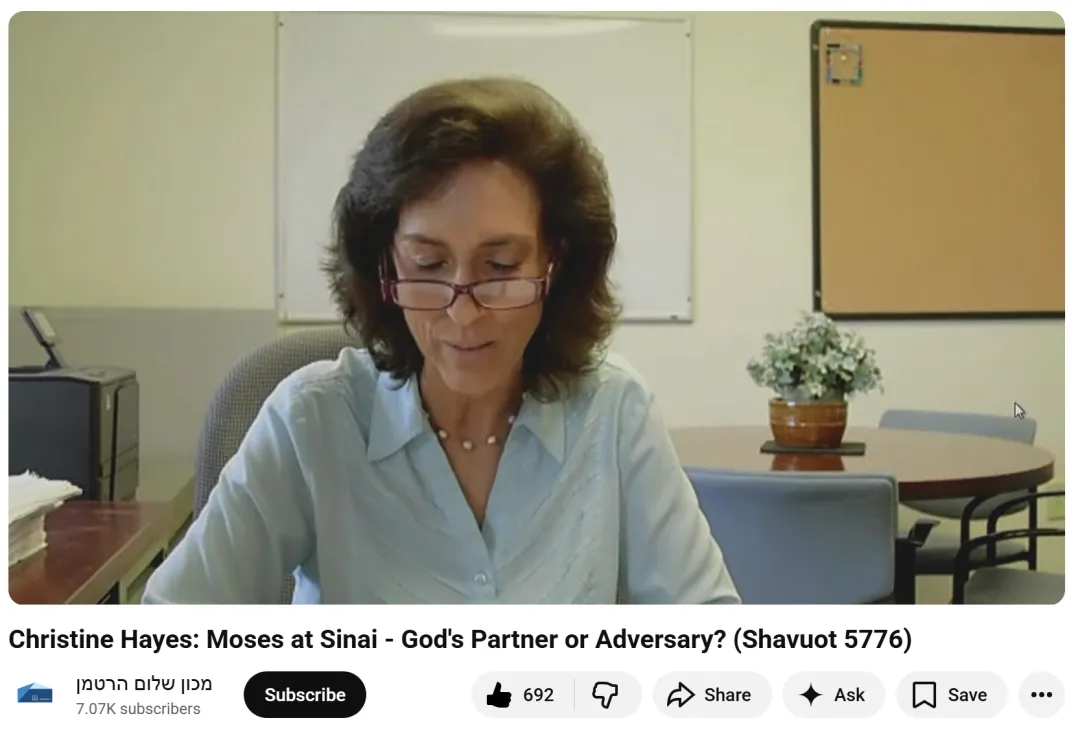
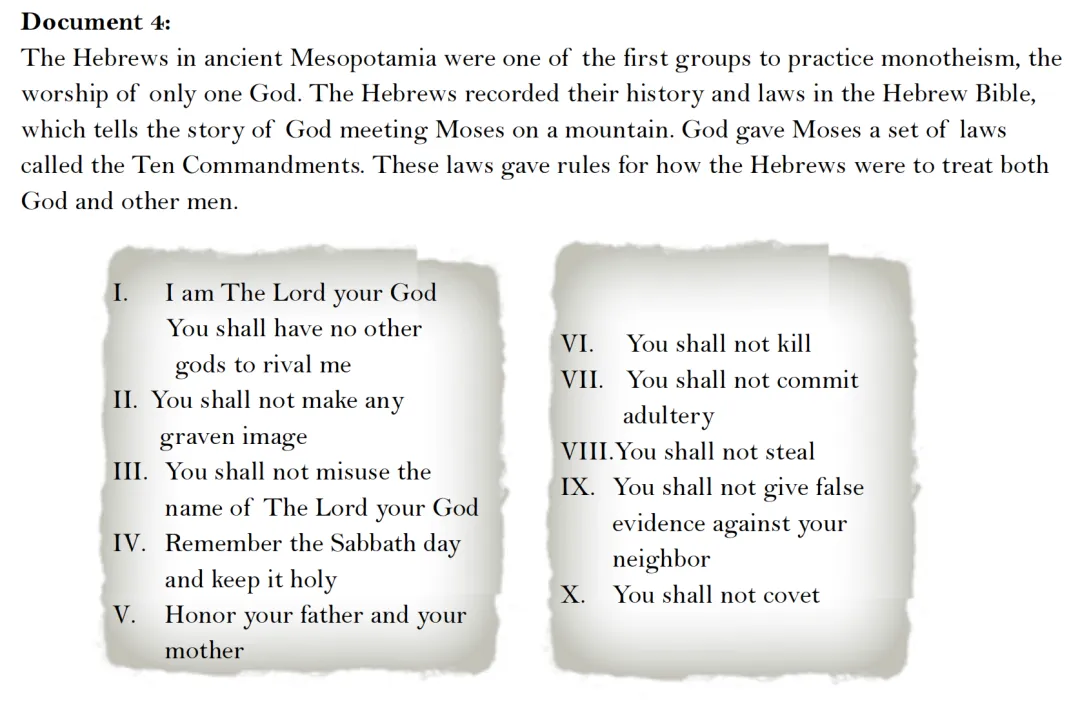
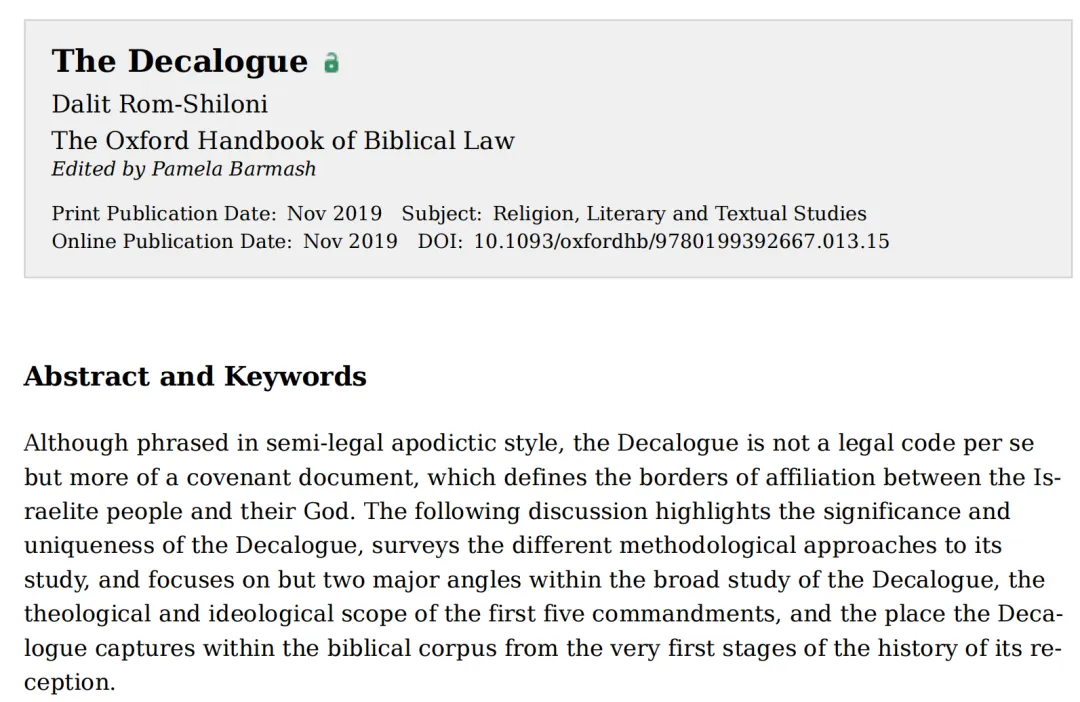
犹太圣经Torah包括5本书,Genesis, Exodus, Leviticus, Numbers, Deuteronomy, 从exodus出埃及记开始就能看到大篇幅的律法的内容。我当然没有本事看完,我只看到出埃及记,通过看网课和讲座了解了更多的背景信息和分析。我们通常对于犹太律法的了解就是摩西十诫,被叫做Ten Commendmants,我上世界史和欧洲史基础课都会讲到十诫,只是给初学者的简单介绍,摩西在西奈山上接受了上帝的十诫。The Decalogue就是十诫的学术名词,在希伯来语中并不叫Ten Commandments,而是10 statements,它也不是我们理解的法律legal code,而是上帝和犹太民族的一个契约,"the words of the covenant" announced by God。这个契约体现了犹太民族和上帝的政治联盟,relationship with their suzerain, God. 就是把上帝当成他们的宗主领主,让上帝保护他们,但是这个联盟是有条件的,就是必须按照10 statements来做,否则上帝就不会再保护他们。According to Christine Hayes, 10 statements are only God’s revelation directly to Israel without any intermediary. 根据圣经,通常上帝和犹太人民沟通的途径是先知(prophets),而10 statements是上帝直接和犹太人民沟通的,虽然不能说就像现代世界的那种获得人民的同意consent,但已经有点那意思。我看犹太圣经故事的整体感受就是,上帝对人有很高的要求,非常不希望人吃屎,但是人就是想吃屎,你能怎么办呢?这个无形的,无性别的,一团雾一样的只是会说话的上帝,多少次被气到崩溃,笑死我了!话说这个犹太圣经是非常成人的书,少儿不宜,尤其是创世纪,18岁以下谨慎阅读,如果你看的是对的版本的话,保证你满满的屎尿屁三俗黄暴,实在是太好看啦!!! 回到Christine Hayes,她也说Biblical laws are Legal collections not codes. codes are systematic and exhaustive, and to be used by courts. But biblical laws were learned tradtion. In biblical laws, the authorship is not described to Moses ever. It’s attributed always to god.Texts are modified in the course of their transmission. Immutable in substance is later ideological imposition upon the texts.不仅仅是犹太律法,古巴比伦的汉谟拉比法典也是神授予的,这种律法的本质是信仰,是道德传统,不是现代的法律条文。圣经文本也是与时俱进的,在不同的时代做了调整,而不是只有一个版本,也不是只有一个意思。
“In the Torah, the life is treated holistically in the realm of law.
It’s a mixture of legal and moral stuff. God has something to say about all areas of life.
The law is divinely authored. In the biblical framework, every crime is also a sin.
Law is the moral will of God. What’s illegal is also immoral. Law and morality is not separate. ”
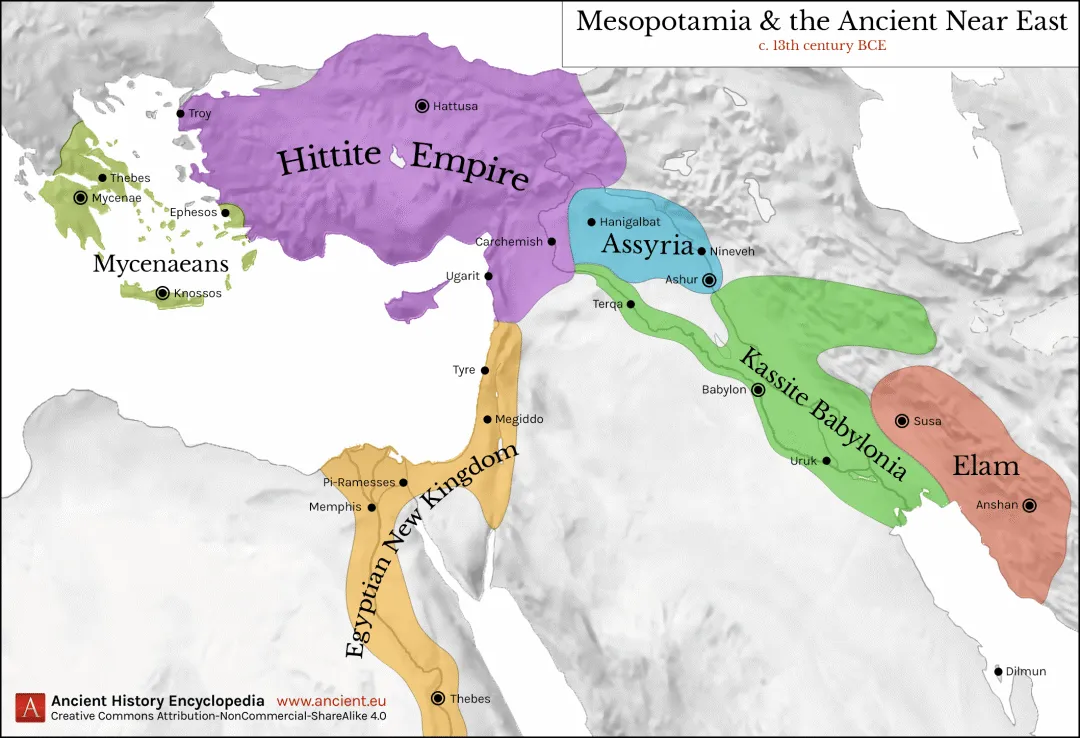
Christine Hayes在课上对比了Biblical law和其他古代西亚各个帝国如古巴比伦的汉谟拉比法典,亚述帝国,Hittite帝国法典的很多区别。这里就分享一个让我最震撼的部分,就是犹太圣经有非常强烈的人道主义倾向。Biblical trend toward humanitarianism2. Divine authorship law takes a holistic scope. Law is a vehicle to legislate compassion. I the lord is your God.人道主义倾向首先体现在为弱势群体立法Biblical law legislates a concern for the unfortunate members of the society. Orphans, widows, respect for the aged. Concerns for the rights of the poor.
In other ancient near east society they don’t legislate charity or compassion. 和其他古西亚帝国相比,犹太律法有非常多的保护弱势群体的内容,如保护孤儿,寡妇,老人,穷人等。Deuteronomy: Loan money for the poor, loans must be made even if the debt might be canceled, for the simple reason that the problem poverty is a persistent problem.
You shall give to him freely. Your heart shall not be grudging when you give to him, for the poor will never cease out of the land. The poor will always be with you. Lend to them because the poor will never cease out of the land. The purpose of the law in Israelite society is different from other societies.
In non-Israelite societies, the law is to secure certain sociopolitical benefits. Establish justice, promote the welfare of the people.
The law in Israel also has the purpose to sanctify, rendering holy or like god those who abide by its terms. Holinesss code
You shall be holy for I the Lord your God am holy. Being holy in the imitation of God is emphasized repeatedly for the purpose of the laws. 被反复强调的,犹太律法的终极目标是模仿神的样子,活出神的样子,这点和基督教的核心精神是一样的,imitation of the divine, aiming at the highest possible good. 另一个具体例子是对奴隶的态度。古代西亚社会都是有奴隶制的,古代以色列也有,但犹太律法明确有对奴隶权利的保护,其他社会是没有的。The bible affirms some personal rights of slaves but not all. If a master knocks out a tooth of a slave, he has to set him free. Slaves are entitled to the sabbath rest and sabbath legislation.
A fugitive slave can not be returned to his master. Deutorotomy 23:16-17: you shall not turn over to his master a slave who seeks refuge with you from his master. He shall live with you in any place he may choose among settlements in your midst, wherever he pleases; you must not ill treat him.
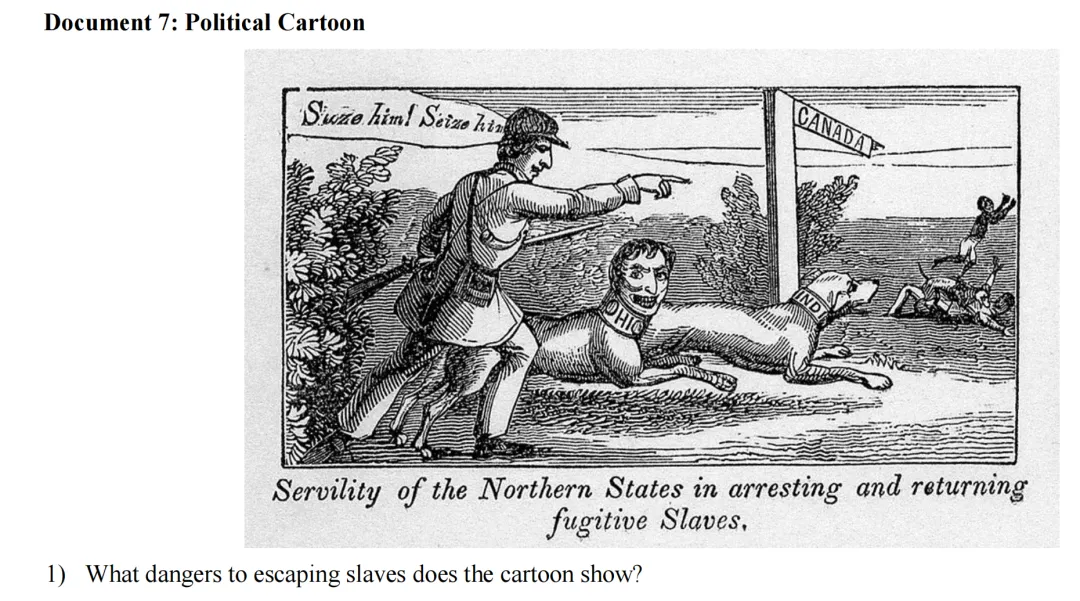
遇到逃跑的奴隶怎么办?绝对不能送回去,一定要把他安顿到他想去的地方 Christine Hayes在讲到这个关于处理逃跑奴隶的律法的时候专门提到了美国19世纪内战前的fugitive slave laws,我们在AP美国历史里学过,逃跑黑奴必须被抓回来,纵容黑奴逃跑会被逮捕,正好和在古希腊时期,古中国是春秋时期,基本是孔子出生之前就写成的犹太律法相反

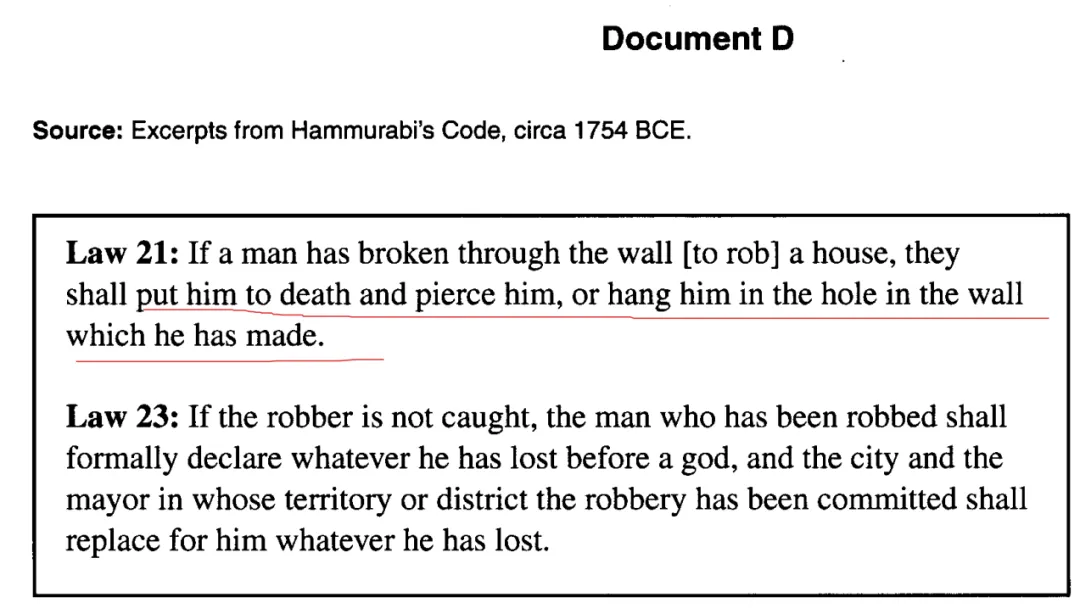
Hammurabi’s code 15,16-19: if a citizen has harbored in his house either a fugitive male or female slave belonging to the state or private citizen and has not brought him forth at the summons of the police, that household shall be put to death.
也让我想到古代中国的法律,这本俞敏洪推荐读物,历史学家王笛写的通识性中国社会史书的下卷中有专门讲古代中国法律的章节。
“在明朝,奴婢的法律地位十分低贱。主人可以任意殴打奴婢,只要不打死,就没罪。即使打死奴婢,主人也不会被判处死刑。” 明朝的奴婢可也是如假包换的明朝老中人儿。
According to Christine Hayes, in the Priestly code, no Israelite can be slaves to another Israelite. Bible urges humanitarian treatment of slave for you were slaves in Egypt. 以色列人不能奴役另一个以色列人,圣经在不断提醒犹太民族,永远不要忘了,你们曾经是埃及的奴隶。
3. Other evidence of trends toward humanitarianism is lack of legalized violence in the bible.另一个人道主义倾向的证明是犹太律法里没有用暴力去惩罚暴力,用暴力去惩罚暴力是古代世界法律使用的绝对常见的刑罚,像切耳朵,剁手,《碌碌有为》那本书也有介绍古代中国的酷刑。汉穆拉比法典里也有很多。
我印象最深的是Christine Hayes讲的在古西亚帝国中很常见的literary punishment, 我觉得类似我们说的一报还一报,比如一头牛撞死了一个小孩儿,这头牛主人的孩子也要被处死。但是犹太律法没有这样的惩罚。
The bible rejects the idea of literal punishment. Exodus 21, the owner’s child is not to be put to death.
In the case of rape, the wife of the rapist is not raped as happens in the middle assyrian laws. 古代亚述律法中强奸犯的老婆也必须被强奸
In Deuteronomy, children shall not be put to death for their parents. The person shall be put to death only for his own crime.
另外犹太律法不仅仅是反对连坐,而是强调保护所有自由民平等的权利,不按照社会等级区分。在犹太律法面前,自由民是人人平等的。
The principle of talion, the legal principle of retribution where the punishment corresponds directly to the crime committed—commonly known as "an eye for an eye, a tooth for a tooth".
Talion only applies between social equals in the code of hammurabi.
In the bible extension of talion to free persons regardless of class, expresses the notion that all persons are of equal value.
要知道古代社会都是等级森严的,在汉谟拉比法典里体现不同等级的人对应不同的刑罚随处可见,在古代中国叫“刑不上大夫,礼不下庶人”,也没有统一标准的刑罚,士绅犯罪的话需要先削去头衔,再判刑。可见犹太律法是多么多么前卫,as Christine Hayes said, it's a radical concept. 为什么这样?The sanctity of human life is paramount in its value system. 因为在犹太圣经中,人是按照上帝的形象创造的,犹太圣经极力托举人的价值。
Christine Hayes也说了犹太圣经有很多前后不一致的地方,毕竟是不同时期写成的,因此并不是统一的,不是只有一个声音,They don’t speak with one voice. Biblical legal materials contain provisions that contradict one another. Later version of the law will update and revise earlier versions of the law.
但是学者的研究发现有很多思想是贯穿始终的。
It’s fair to say they sound common themes. They express certain important principles and values which include the supreme sanctity of human life. That’s pretty consistently maintained among the codes.
The value of persons over property, consistently maintained;
Equality of free persons before the law, consistently maintained;
The importance of assisting the disadvantaged in society, consistently maintained;
The integration and interdependence of all aspects of human life all coming with the will of god to legislate, consistently maintained.
之前有人和我说Biblical laws reflect profound ethics,我还想着那能有啥呢?学到现在我的感受就是无比震撼,太!牛!逼!啦!册那!
我用于可以理解为啥那么多犹太人加入社会主义阵营了,在20世纪初的奥斯曼帝国晚期,犹太人就建立了社会主义社区,类似人民公社。当然马克思也是犹太人 在基督教社会的美国也有多次宗教性的社会改革运动,总之the idea of socialism is embedded in Judeo-Christian traditions.
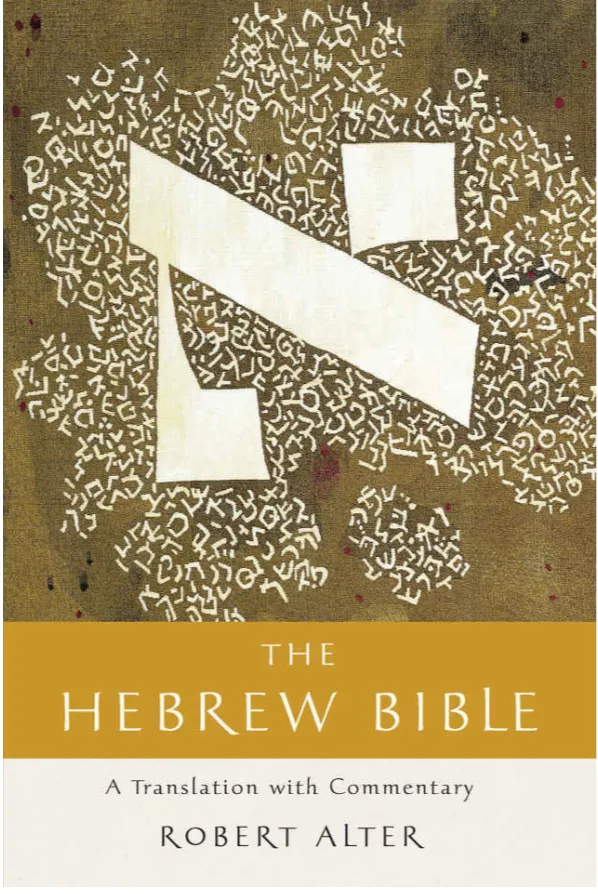
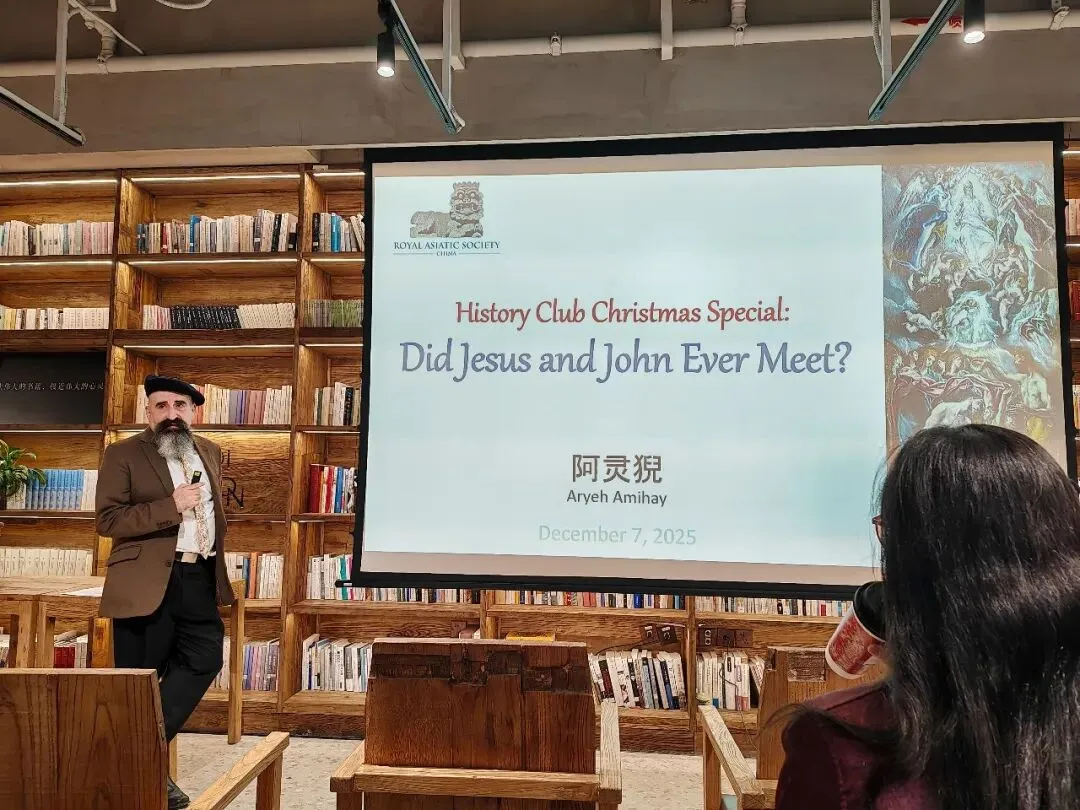
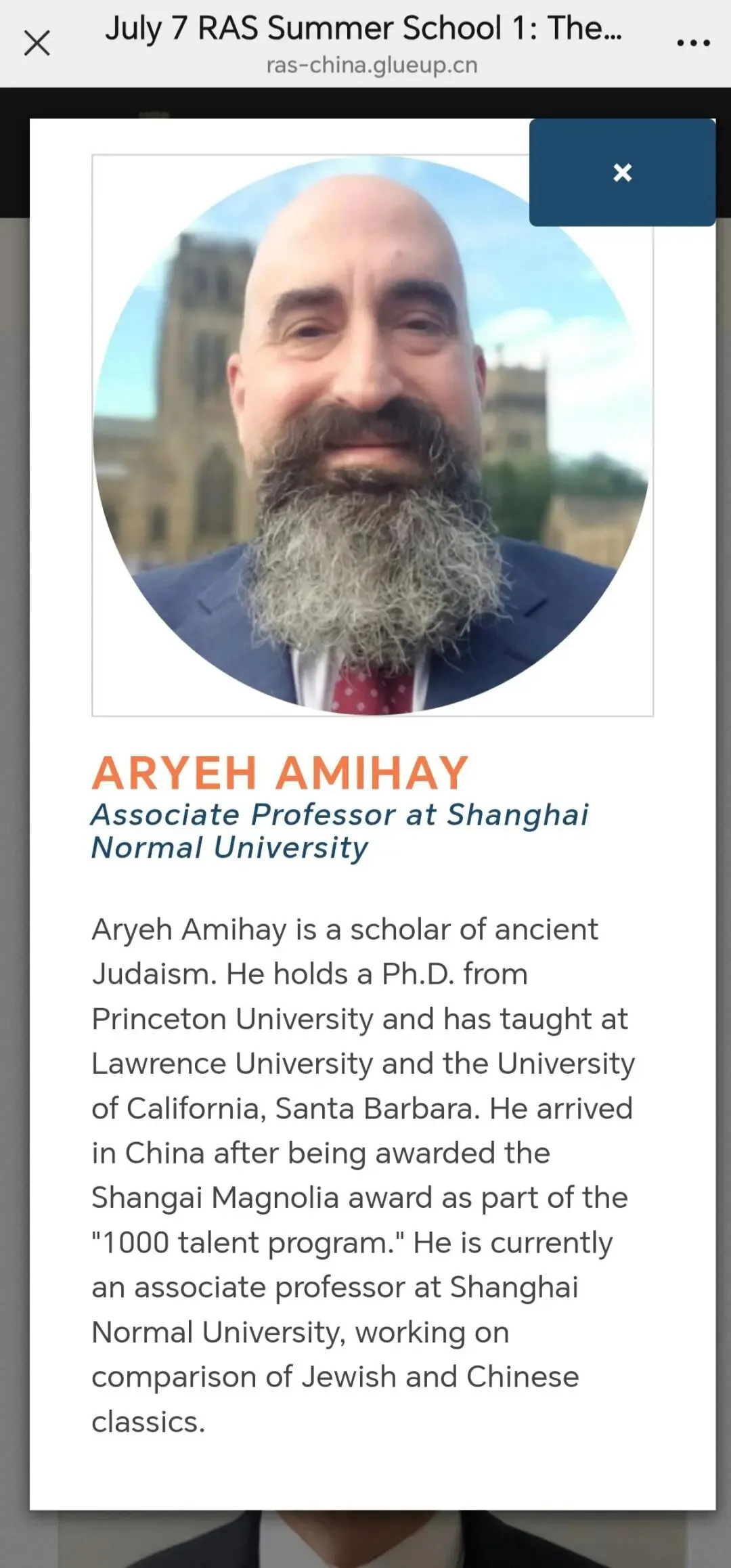
最后我要感谢一位特别嘉宾,最近对我的犹太圣经学习有很多帮助和指导,我现在看的犹太圣经版本就是他推荐的,还发给我了其他很有用的学习资料,是去年12月在一次讲座活动中认识的主讲老师,上海师范大学特聘教授Professor Aryeh Amihay,是专业研究犹太教的学者,博士毕业于普林斯顿大学。Special thanks to Aryeh! !

 10个月宝宝每天需要喝多少奶粉?

